
Hyundai i30 buyer's guide — PD, PDe and N problems to check (Sydney 2026)
Used Hyundai i30 in Sydney? PD hatch, N performance, N-Line — common faults including theta II oil consumption, T-GDi carbon, DCT clutch issues, and electronic gremlins. Every fault we see weekly, with repair costs.
The Hyundai i30 is one of the best-value used small hatches in Australia, and PD-generation cars (2017+) have aged well in our workload. The i30 N hot hatch is its own category — owner demographic and inspection pattern both differ significantly from the regular i30.
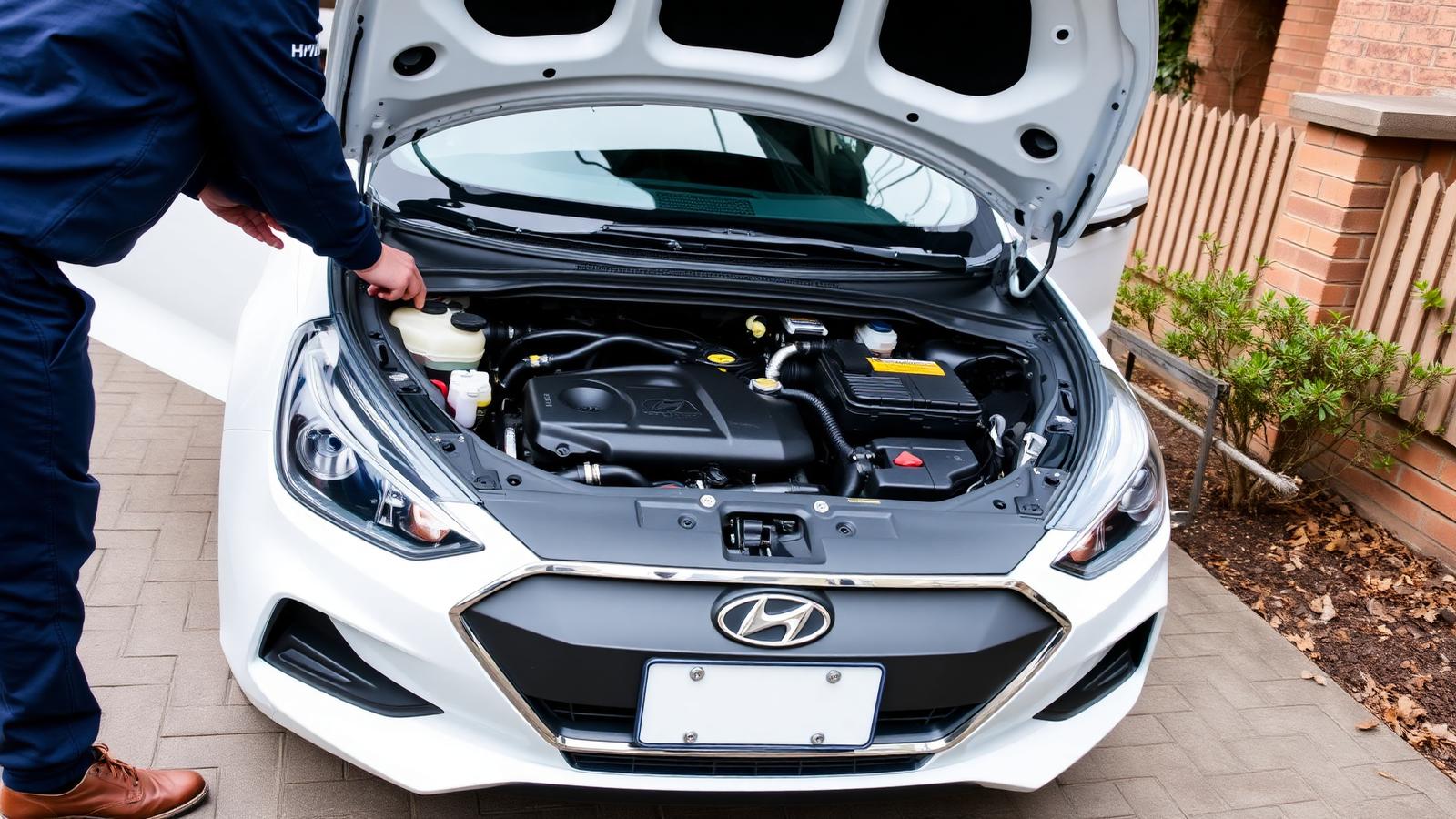
Below is the inspection catalogue we use on every i30. Mid-2026 Sydney repair pricing.
1. Theta II 2.0L petrol — oil consumption and bearing wear
The 2.0L Nu engine that powers most PD i30 base variants is generally reliable. The Theta II 2.4L (less common in i30, more in Tucson/Santa Fe) had a well-publicised connecting rod bearing wear issue that triggered a global recall and engine replacement program.
On any i30 with the Theta II engine — confirm via VIN check whether the engine has been inspected under the recall program and whether the ECU monitoring software (Knock Sensor Detection System, KSDS) has been installed. Without these, a Theta II purchase carries unquantified bearing failure risk.
2. Gamma II T-GDi 1.6L turbo — carbon and oil cooler
The 1.6L T-GDi turbo (fitted to N-Line variants and to i30 SR pre-2017) is a strong performer but has two well-known faults.
- Intake valve carbon build-up — direct injection only sprays fuel into the cylinder, so intake valves receive no detergent wash. Walnut-blast service every 80,000–100,000km is recommended.
- Oil cooler O-ring weep — coolant seeps into engine oil over time. Look for chocolate-milk residue on the oil cap and pressurised cooling system at idle.
- Carbon-fouled spark plugs past 60,000km causing misfire codes under load.
3. i30 N — Pirelli wear, brake glazing, DCT shudder
The i30 N is a genuinely sharp hot hatch and has been an unusually well-engineered first effort from Hyundai N Division. The inspection pattern reflects how its owners actually use them.
- Track use indicators — brake dust on inner wheel face, glazed front rotors (blue tinge), worn outer-edge tyres.
- 8-speed DCT (wet) clutch shudder — early N DCT examples had a TSB for clutch judder; check whether the rectification was performed.
- Coolant top-up history — N variants generate significant heat; coolant must remain at correct level and concentration.
- Suspension bushes — particularly front lower control arm bushes after spirited driving.
4. Fuel pump recall (PDe — 2018+)
Hyundai issued a global recall on certain PDe i30 variants for a fuel pump issue that could cause stalling. Verify via VIN check at a Hyundai dealer that the recall work has been completed before purchase. The fix is free and quick — but an un-actioned recall is your problem the moment you take ownership.
5. CRDi 1.6L diesel — DPF and EGR
The CRDi 1.6L diesel was offered on some PD i30 variants. It's reliable when the DPF is regenerating correctly, which requires periodic 20-minute highway runs. On Sydney short-trip use:
- DPF blocking — limp mode under acceleration, regeneration warning on dash.
- EGR valve sticking — rough idle and stored EGR position fault codes.
- Glow plug failure past 100,000km.
6. Suspension — rear shock and front strut top mounts
Two specific wear items on the PD i30: rear shock absorbers weep past 80,000km on rough-surface use, and front strut top mounts produce a creak or clunk during slow turns. Repair cost: rear shocks pair $450–$650, strut top mounts $300–$450 per side.
7. Infotainment and reverse camera
The 8-inch infotainment unit in 2017–2020 PDs occasionally enters a reboot loop on cold morning startup. Most cases resolve with a software update at a Hyundai dealer ($150–$200). A failed head unit replacement is $1,200–$1,800.
Reverse cameras on PDs are mounted on the tailgate handle and the cable harness can wear at the boot hinge. A reverse camera that works intermittently or fails after slamming the boot is a $250–$400 cable repair.
Which model year to buy
| Era | Verdict | Watch-outs |
|---|---|---|
| 2017–2018 PD (early) | Acceptable | Confirm software updates and fuel pump recall complete |
| 2019–2020 PD facelift | Sweet spot | Refined NVH, updated infotainment, mature 2.0L Nu |
| 2017–2020 i30 N | Strong buy with provenance | Avoid track-used examples without service-history proof |
| 2021–2023 PDe / PD2 | Strong buy | Smartstream T-GDi, 8-speed DCT, mature platform |
| i30 Sedan (CN7 — Elantra-based) | Different platform | Inspect as Elantra, not as i30 hatch |
Common questions
Is the i30 N a sensible used buy?
Yes — provided the previous owner didn't track it without documentation. The i30 N is mechanically robust but tyre, brake and DCT wear all accelerate dramatically with circuit use. Buy one with full Hyundai service history and we'll happily inspect it; treat ones without paperwork with caution.
How does the i30 compare with the Mazda3 and Corolla used?
i30 typically prices below equivalent Mazda3 and Corolla by $2,000–$4,000 for similar age and km. Engine and gearbox reliability are broadly comparable across the three. The i30 leads on warranty length (5 years new) which improves on the used market by way of remaining warranty cover on younger examples.
Is the DCT in N-Line and i30 N reliable?
Generally yes, with the caveat that the wet 8-speed DCT on the i30 N had early-life clutch judder issues that were addressed under TSB. Confirm any DCT-related rectification work was performed via Hyundai service records before purchase. Manual N variants avoid the issue entirely and many enthusiasts prefer them.
Lock in your inspection
Book a mobile pre-purchase inspection at the seller's address. Same-day slots across Sydney from $199, with a written repair cover on Elite (30 days / up to $3,000).
Mobile inspections near you